FREE SHIPPING ON ORDERS OVER $150

The Relationship Between Fascia and Magnesium
Did you know magnesium plays a crucial role in keeping your fascia—the connective tissue that supports your whole body—flexible and healthy? This blog dives into why magnesium is essential for reducing fascia stiffness and promoting overall wellness.
Mishra Keller
1/20/20262 min read
Our bodies are incredible systems of interconnected tissues and nutrients working in harmony to keep us healthy and vibrant. Among these, fascia — the connective tissue that surrounds and supports every muscle, bone, and organ — plays a crucial yet often overlooked role in our overall wellness. And when it comes to nourishing this essential network, magnesium emerges as a powerhouse mineral that supports fascia health in many meaningful ways.
What is Fascia?
Fascia is a continuous web of connective tissue that envelopes muscles, bones, nerves, and organs throughout the body. It provides structure, flexibility, and support, allowing for smooth movement and helping to protect delicate tissues. Healthy fascia is flexible and well-hydrated, but when it becomes dehydrated or stiff, it can lead to pain, tension, and restricted movement.
Why Magnesium Matters for Fascia
Magnesium is a vital mineral that contributes to hundreds of biochemical reactions in the body. According to expert insights shared at Fascia Guide, magnesium helps with:
- Relaxation of muscle tissue, which is essential in preventing and alleviating fascia tightness
- Supporting the hydration of cells within fascia, maintaining its elasticity and pliability
- Assisting in the repair and regeneration of connective tissue by facilitating protein synthesis, including collagen production
Signs You Might Need More Magnesium
Because magnesium supports fascia health, a deficiency can contribute to symptoms such as chronic pain, muscle cramps, stiffness, and fatigue. These symptoms often overlap with fascia-related aches, making magnesium intake an important consideration in managing fascia health.
Sources of Magnesium
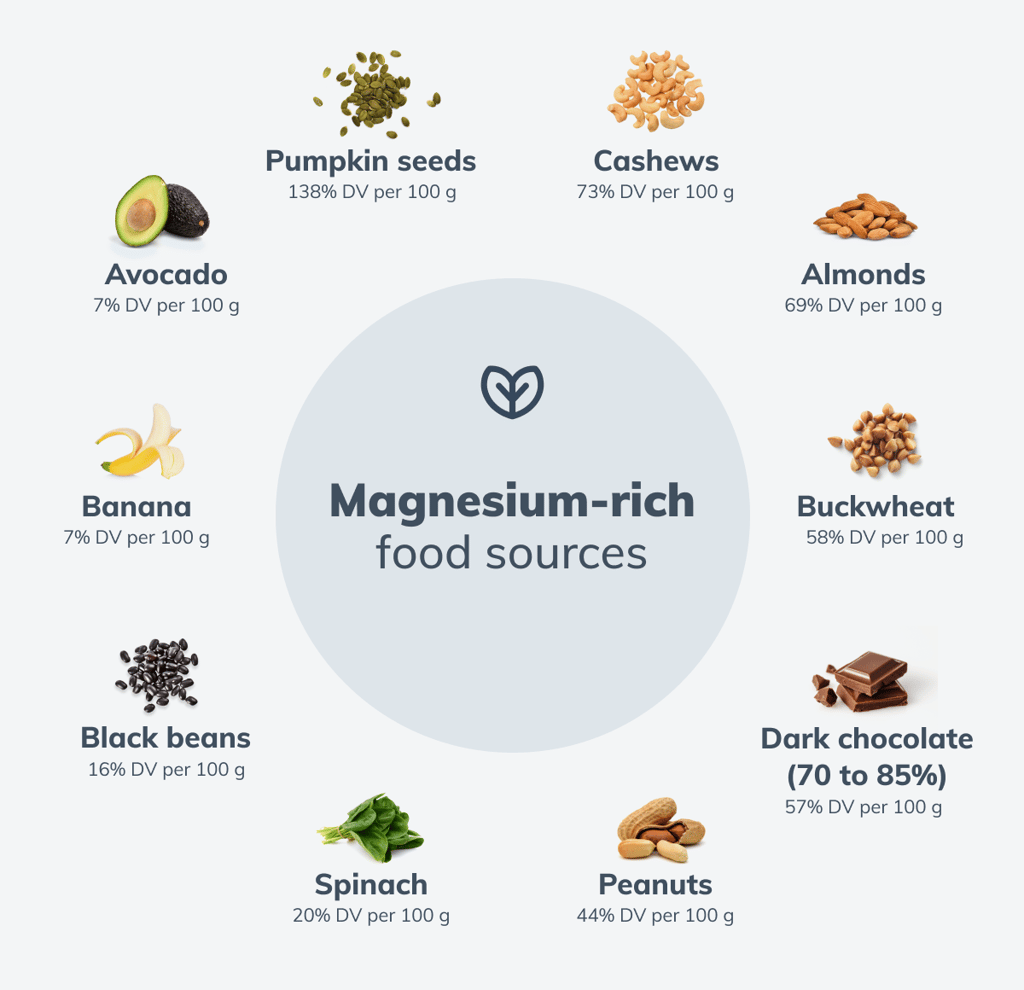
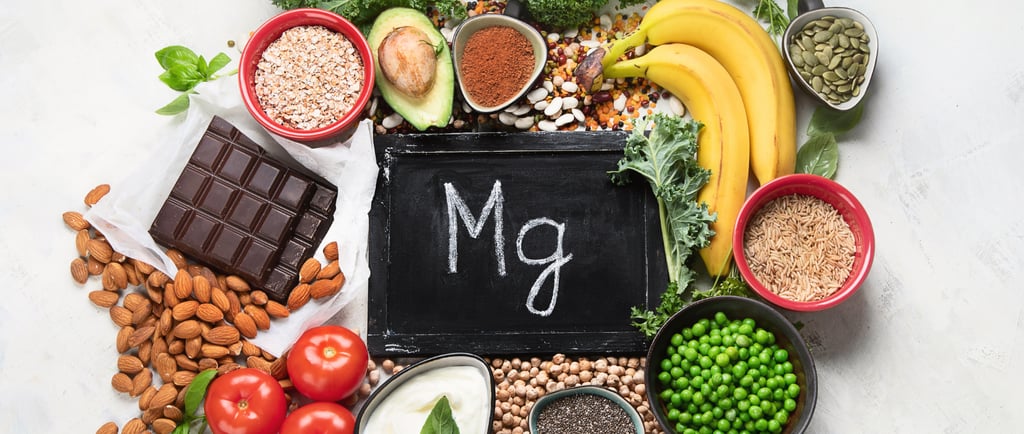
Boosting your magnesium can be as simple as including magnesium-rich foods in your diet or considering supplements when appropriate. Some top magnesium sources include:
- Leafy green vegetables like spinach and kale
- Nuts and seeds such as almonds and pumpkin seeds
- Whole grains including brown rice and quinoa
- Legumes like black beans and lentils
Magnesium supplements can also be helpful, particularly forms like magnesium citrate or magnesium glycinate, which have higher bioavailability. However, it’s always wise to consult with a healthcare provider before starting any new supplement regimen.
If you would like to try a magnesium supplement, click here to visit our Fullscript dispensary and get access to safe, effective supplements at an affordable price. If you need product recommendations, you can contact me via email or inside the NutrisultsCommunity.
By paying attention to minerals like magnesium and caring for your fascia, you’re taking an important step towards enhanced mobility, reduced pain, and overall well-being. Remember, nurturing your body’s connective tissues supports your daily vitality and long-term health.
References:
Supporting Your Fascia Naturally
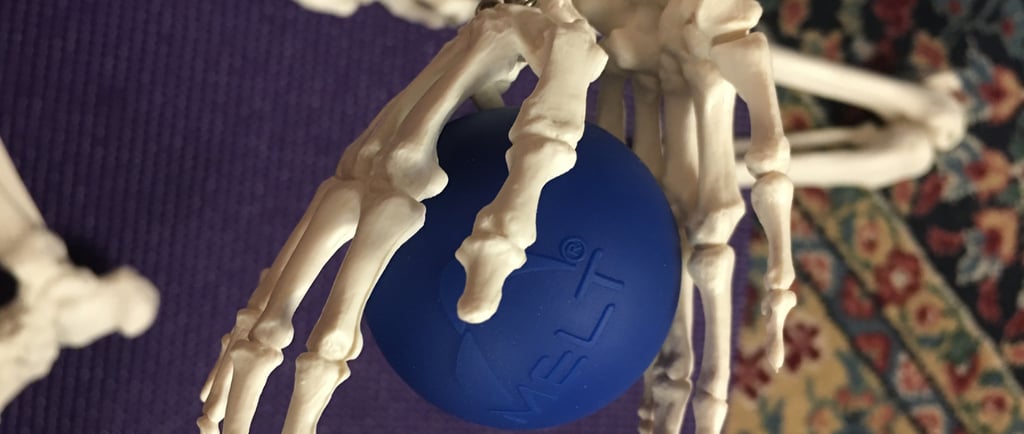
In addition to magnesium, staying hydrated, engaging in regular movement like stretching or yoga, and practices such as MELT Method can help maintain your fascia’s health and flexibility.
To get started incorporating MELT Method techniques into your wellness routine, click here to order a MELT Hand and Foot Therapy Ball Set.